

Kitchen island pendant lights can make a big difference to the appearance and functionality of your kitchen. The right fitting adds character, complements your interior and provides useful lighting for everyday activities.
For Australian homes, choosing the right pendant involves considering the island bench size, ceiling height, installation position, materials and overall kitchen style.
This guide covers the key things to consider before buying kitchen island pendant lights, with ideas from Parrot Uncle Australia.
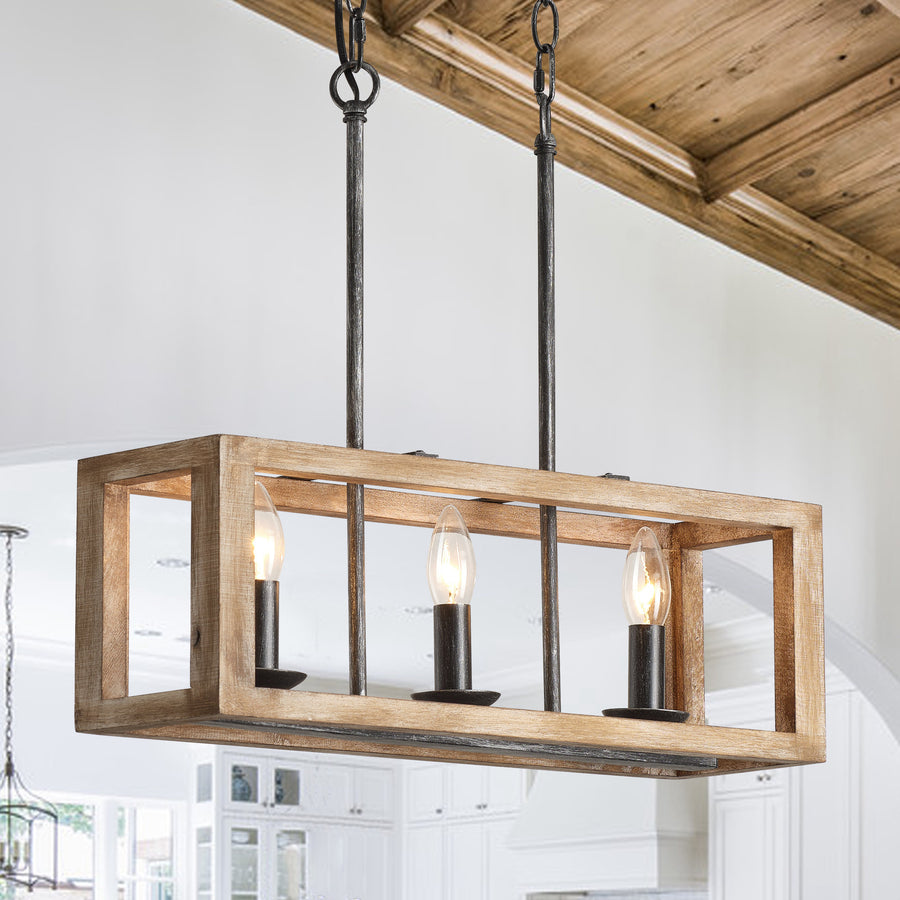
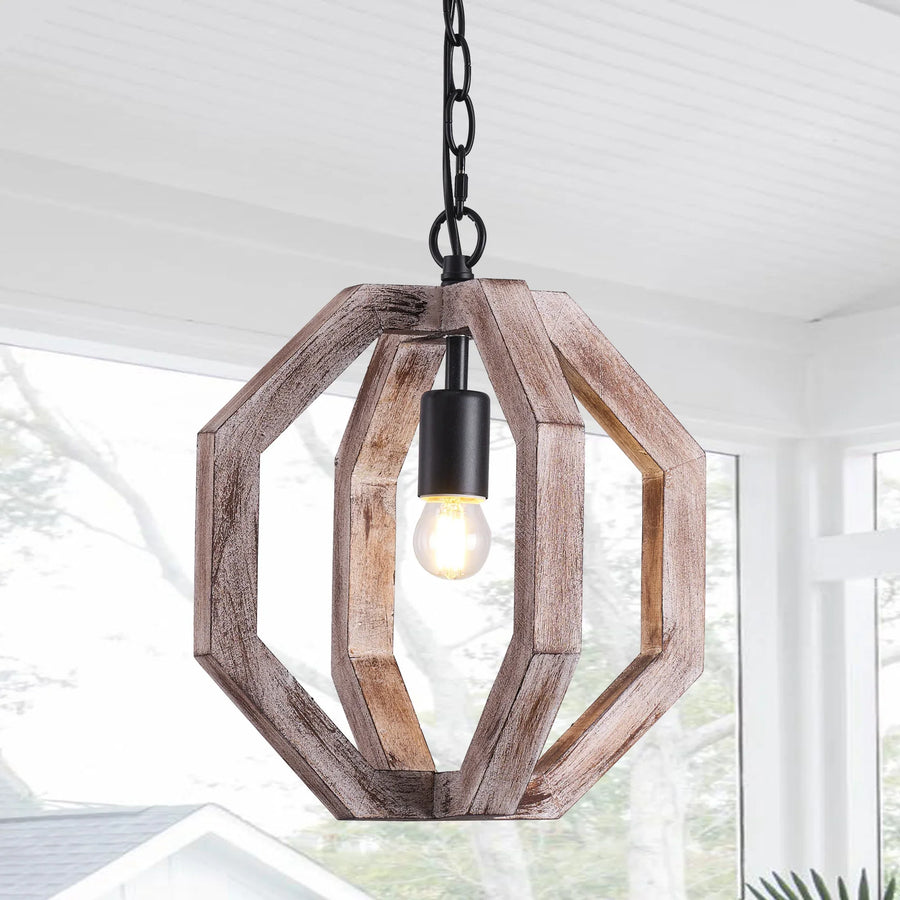
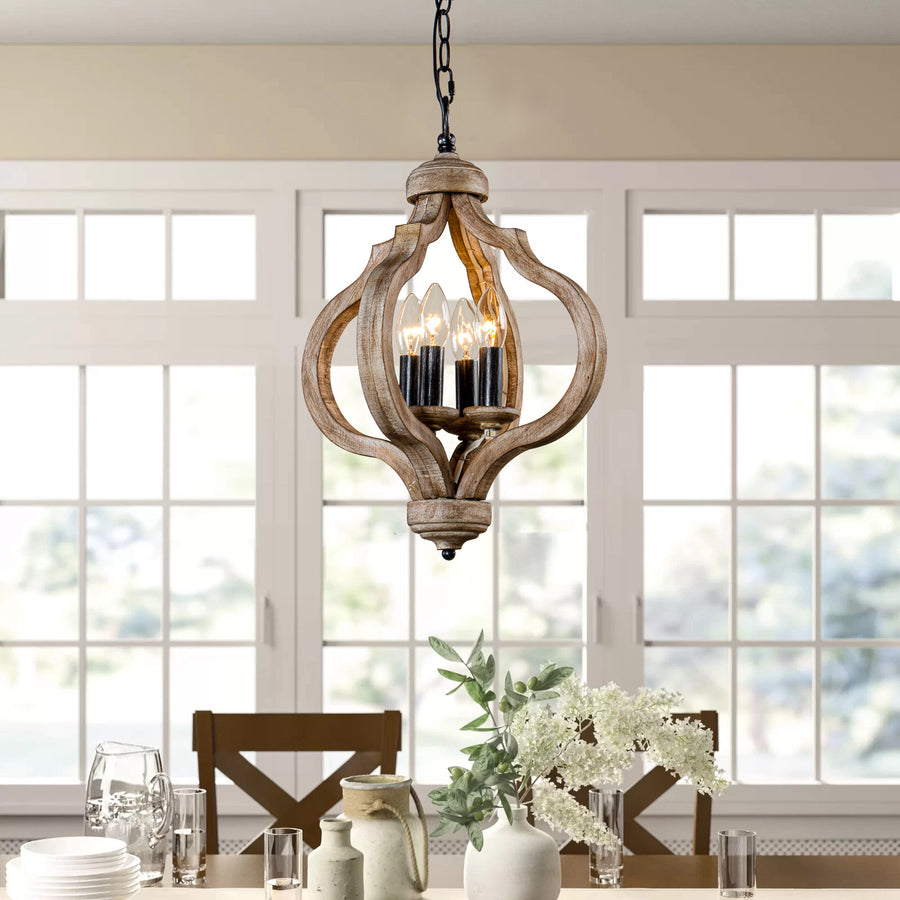
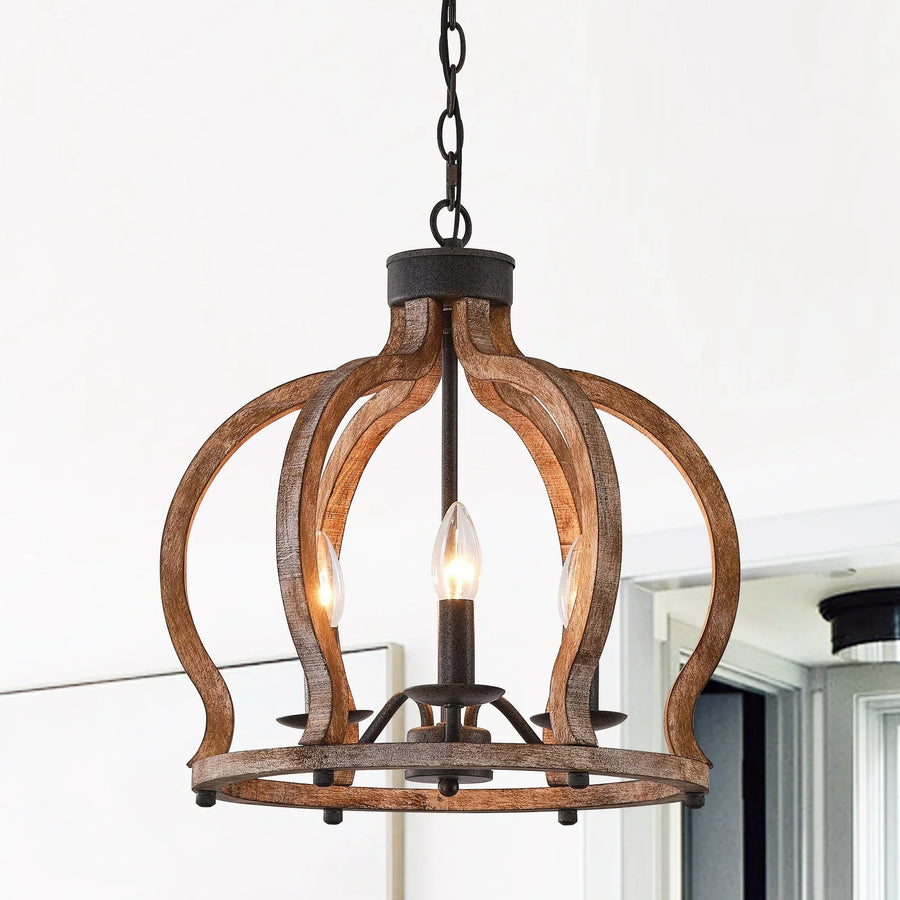
Choose the Right Size for Your Island Bench
One common mistake when buying kitchen island pendant lights is choosing fittings that are too large or too small for the available space.
A pendant that looks impressive in a showroom may overwhelm a narrow island, while a small fitting can look lost above a long benchtop.
Measure Your Island Before Shopping
Start by measuring the length and width of your kitchen island. These measurements help you decide whether one statement pendant, two individual lights or three smaller fittings will look most balanced.
As a general guide:
|
Kitchen Island Length |
Suggested Lighting Arrangement |
|---|---|
|
Up to 1.5 metres |
One pendant or two compact pendants |
|
1.5-2 metres |
Two pendant lights |
|
2-2.7 metres |
Two or three pendant lights |
|
Over 2.7 metres |
Three pendants or one linear fitting |
These are design suggestions rather than strict rules. The actual number depends on pendant dimensions, ceiling height and desired coverage.

Consider the Pendant Shape
Different shapes create different visual effects.
-
Round pendants: Work well as individual statement pieces or in balanced groups.
-
Linear pendants: Suit longer island benches and provide a continuous visual line.
-
Slim pendants: Offer a lighter appearance without making the kitchen feel crowded.
For a narrow kitchen island, a slim fitting can maintain an open appearance. Larger kitchens can accommodate wider shades or more decorative designs.
Check the Hanging Height and Spacing
Even an attractive pendant can become inconvenient if it hangs too low or sits too close to another fitting.
Height and spacing should be planned around both the people using the kitchen and the activities performed on the island.
How High Should Kitchen Island Pendant Lights Hang?
A common starting point is around 75-90 cm between the benchtop and the bottom of the pendant.
However, this is not a fixed requirement. The best position depends on ceiling height, pendant dimensions and sightlines across the kitchen.
For example, a large pendant with an opaque shade may need to sit slightly higher to avoid blocking views across the room. A smaller, more open fitting may allow greater flexibility.
If your home has a standard 2.4-metre ceiling, check the total drop carefully before purchasing a pendant with a long suspension.

Plan the Spacing Between Multiple Lights
When installing two or three pendants, even spacing helps create a balanced arrangement.
|
Arrangement |
Planning Advice |
|---|---|
|
One pendant |
Centre it over the island |
|
Two pendants |
Space them evenly along the bench |
|
Three pendants |
Use equal spacing between fittings |
|
Linear pendant |
Centre it over the working area |
Leave enough space between the outer pendants and the ends of the island to prevent the arrangement from looking crowded.
Before installation, mark the proposed positions on the ceiling using removable tape. View the layout from the kitchen, dining area and living room to check whether it looks balanced.
Select Materials That Match Your Kitchen
The material of a pendant light affects its appearance, texture and cleaning requirements.
Consider your existing cabinetry, benchtop, handles and appliances before choosing a finish.
Wooden Pendant Lights
Wooden pendant lights introduce natural texture and warmth. They work particularly well with timber cabinetry, neutral colours and farmhouse interiors.
They can also complement coastal and Scandinavian-inspired Australian homes.
Natural wood finishes help soften kitchens with large stone surfaces or dark cabinetry.
Metal Pendant Lights
Metal is a versatile choice for modern and industrial kitchens.
Black finishes create contrast against light-coloured cabinetry, while brass and gold finishes add warmth and decorative detail.
Metal fittings are also available in simple geometric shapes, making them suitable for minimalist interiors.
Glass Pendant Lights
Glass shades can help a kitchen feel more open because they allow light to pass through the fitting.
Clear glass works well in smaller kitchens where solid shades may feel visually heavy. Frosted or tinted glass can create a softer appearance.
Keep in mind that transparent shades often leave the globe visible, so bulb shape and appearance become part of the overall design.

Match Pendant Lights with Your Kitchen Style
Kitchen island lighting should complement the wider interior rather than compete with other features.
Consider the colours, materials and furniture already present in your home.
|
Kitchen Style |
Suitable Pendant Design |
|---|---|
|
Modern |
Simple metal or glass pendants |
|
Farmhouse |
Natural timber and rustic finishes |
|
Coastal |
Light wood and soft neutral shades |
|
Industrial |
Black metal and exposed details |
|
Scandinavian |
Minimalist shapes and natural materials |
|
Hamptons |
Elegant finishes and classic designs |
Modern Australian Kitchens
Many contemporary Australian kitchens use open-plan layouts, natural materials and neutral colours.
A simple pendant with clean lines can complement these interiors without making the kitchen feel overly decorated.
For a kitchen with a timber island, a wooden pendant can create a coordinated look. In a kitchen with white cabinetry and dark handles, a black or metallic fitting can introduce contrast.
Open-Plan Living Areas
In open-plan homes, kitchen island lighting is visible from the dining and living areas.
This means the pendant should work with nearby furniture, ceiling fans and other decorative lighting.
Matching every fitting is not necessary. Instead, look for shared finishes, colours or shapes that create a consistent visual connection between spaces.

Check Installation and Electrical Requirements
Before buying a pendant, check how it will be installed and whether the supplied mounting components suit your ceiling.
Some fittings use adjustable cords or chains, while others have fixed rods. The available adjustment range can affect whether the pendant works with your ceiling height.
Also consider the ceiling material and whether additional structural support is needed.
In Australia, fixed electrical installation work must be completed by a licensed electrician. Ask your electrician to check the mounting position, electrical connection, switch arrangement and dimmer compatibility before installation.
Consider Maintenance and Cleaning
Kitchen lighting can collect dust and grease over time, especially when positioned near cooking areas.
Choose a fitting that can be cleaned without complicated disassembly.
Glass and smooth metal surfaces are generally straightforward to wipe down. Open timber or decorative designs may need more careful cleaning around detailed sections.
Also consider whether the light source can be replaced. If the fitting uses an integrated LED, check the manufacturer's information about servicing and replacement.
Kitchen Island Pendant Lights from Parrot Uncle Australia
Parrot Uncle offers island lighting designs that combine decorative finishes with practical features for different Australian interiors.
If you prefer natural materials or a more contemporary look, these two options are worth considering.
1-Light Farmhouse Wooden Pendant Lighting
This farmhouse-style pendant combines wood, metal and acrylic to create a natural decorative feature. Its slim linear design measures 120 cm in length and includes an adjustable 150 cm suspension. The fitting has an integrated 26W LED light, making it an option for kitchen islands and dining spaces where a longer, understated pendant is preferred.

1-Light Modern Pendant Lighting
For a more contemporary interior, this modern pendant features an oval design with aluminium and glass construction. Measuring approximately 30 x 28 cm, it uses an E27 bulb, which is not included. Its clean shape suits modern kitchen islands, breakfast areas and dining spaces.

What to Check Before Buying Kitchen Island Pendant Lights
Before making your final decision, review the main product details rather than relying only on photographs.
|
Buying Factor |
What to Check |
|---|---|
|
Dimensions |
Overall width, height and depth |
|
Island Size |
Whether the fitting suits the benchtop |
|
Suspension |
Adjustable cord, chain or rod |
|
Materials |
Wood, metal, glass or acrylic |
|
Bulb Type |
Integrated LED or replaceable globe |
|
Dimming |
Whether the fitting supports dimming |
|
Installation |
Mounting hardware and electrical requirements |
|
Maintenance |
Cleaning and light source replacement |
It is also worth checking the product weight and ceiling mounting requirements. A heavier fitting may need suitable structural support, especially when installed on a plasterboard ceiling.
If you are renovating, plan the pendant positions before the ceiling is finished. This gives your electrician more flexibility when arranging wiring and mounting points.
Final Thoughts
The best kitchen island pendant lights balance appearance, size and practical installation.
Measure your island, consider your ceiling height and choose materials that complement your kitchen. With the right planning, pendant lighting can make your island bench more functional while creating a welcoming focal point in your Australian home.
