

Caged ceiling fans can offer an extra layer of protection compared with traditional ceiling fans because their blades are surrounded by a protective enclosure. This makes them worth considering for Australian homes with children, pets, or smaller living spaces.
However, a protective cage does not make a ceiling fan completely risk-free. Installation height, cage design, electrical safety, and regular maintenance are still important.
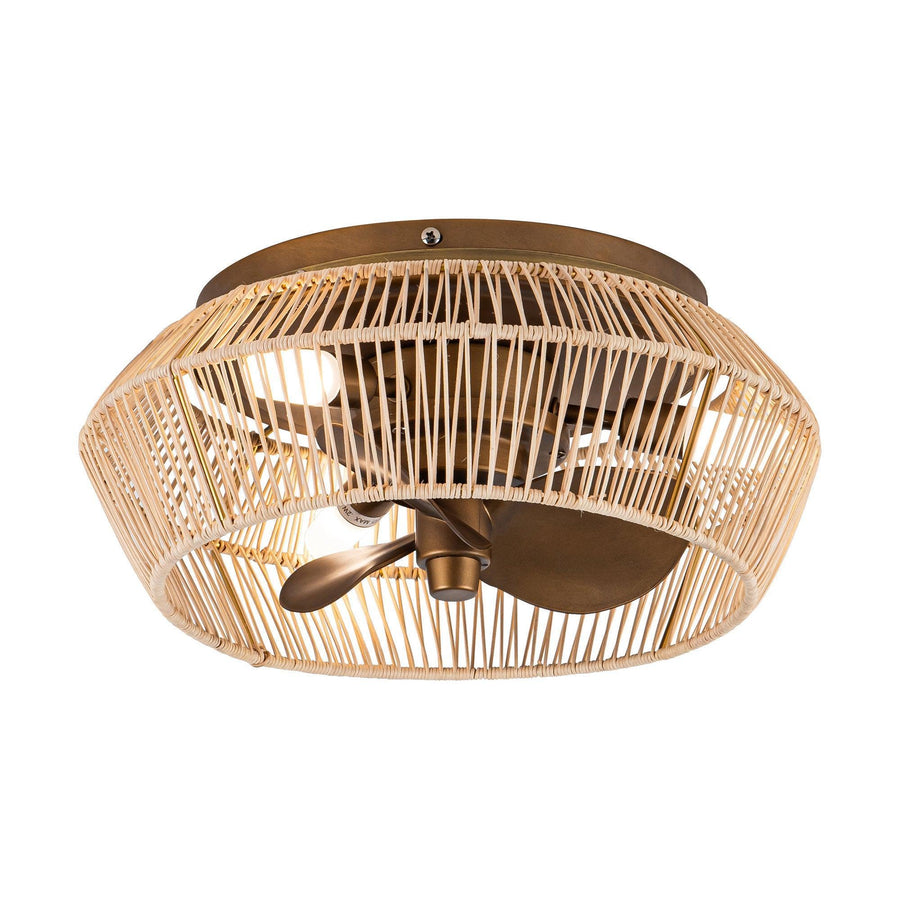
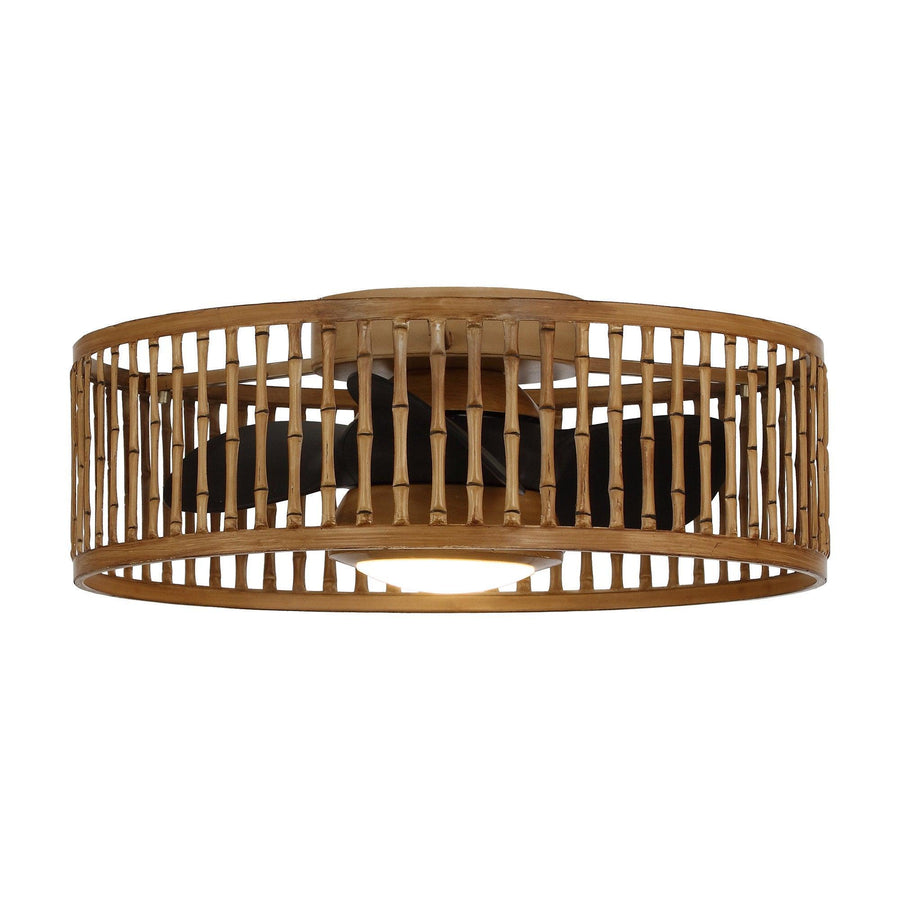
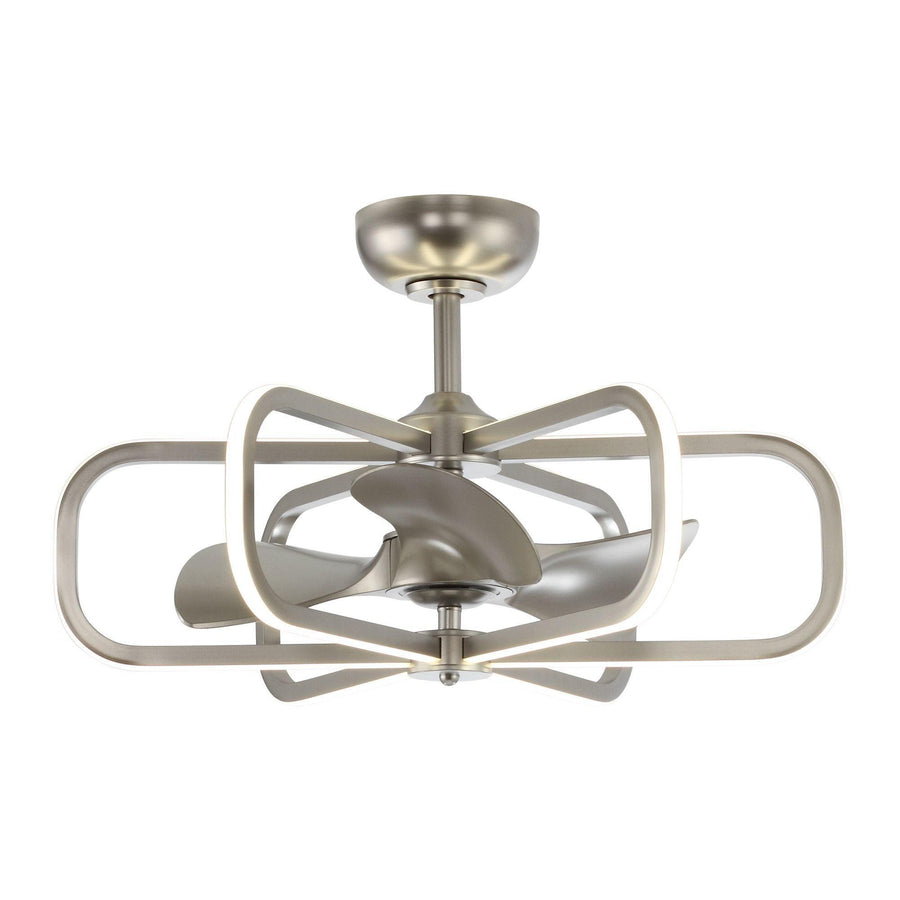
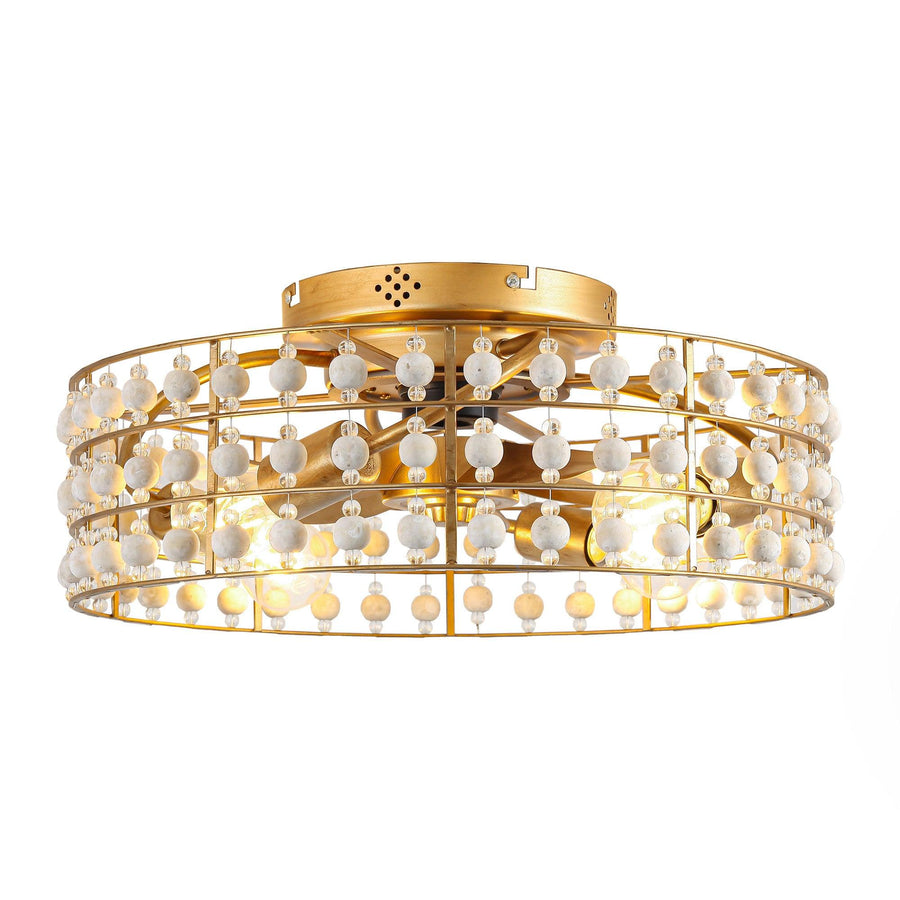
What Makes Caged Ceiling Fans Different From Traditional Ceiling Fans?
The main difference is how the blades are protected.
Traditional ceiling fans have exposed blades that rotate around a central motor. Caged ceiling fans place their blades inside a surrounding frame or enclosure, creating a physical barrier between the moving blades and the surrounding space.
This design can reduce the chance of accidental contact, particularly in rooms where people may get closer to the ceiling fixture.
|
Feature |
Caged Ceiling Fans |
Traditional Ceiling Fans |
|---|---|---|
|
Blade Protection |
Surrounding protective cage |
Exposed blades |
|
Accidental Contact |
Reduced with suitable cage design |
Greater direct blade exposure |
|
Appearance |
Enclosed and decorative |
Open blade design |
|
Cleaning |
More surfaces to clean |
Easier blade access |
|
Room Suitability |
Often suitable for compact spaces |
Available in more sizes |
Neither design is automatically safe in every situation. Installation and product quality still matter.
How Does a Protective Cage Improve Safety?
The main benefit is the physical separation between people and rotating blades.
On a traditional ceiling fan, the blades are fully exposed. If someone climbs onto furniture or reaches towards the fan, direct contact is possible.
A caged ceiling fan places a metal or decorative enclosure around the blades, making accidental contact less likely.
However, cage designs vary. Some have wider openings, while others use closer metal mesh. A cage should not automatically be considered finger-proof or completely childproof.
The enclosure must also remain securely attached during operation. Loose panels, damaged frames, or missing screws can reduce its protective function.

Are Caged Ceiling Fans Safer for Children?
They can be a useful option for family homes, particularly in children's bedrooms and play areas.
Traditional ceiling fans may become reachable when children climb onto furniture or bunk beds. A protective cage adds another barrier around the moving blades.
There are three important considerations.
1. Keep the Fan Out of Children's Reach
Australian consumer safety guidance recommends installing ceiling fans at least 2.1 metres above the floor and maintaining at least 300 mm of clearance below the ceiling.
It also recommends keeping bunk beds and other furniture at least 2 metres away from ceiling fans.
Always check the current product installation instructions and applicable safety requirements.
2. Check the Cage Openings
Not all caged ceiling fans provide the same level of protection.
Check the spacing between cage sections and whether fingers or small objects could reach the rotating blades.
A suitable enclosure should reduce access to moving parts rather than simply provide a decorative appearance.
3. Do Not Treat a Caged Fan as Childproof
Children may still climb furniture or attempt to touch ceiling fixtures.
A protective cage reduces one particular risk but does not replace supervision or safe furniture placement.

Are Caged Ceiling Fans Suitable for Bedrooms and Small Spaces?
Bedrooms are among the most practical locations for caged ceiling fans.
In smaller rooms, the distance between the ceiling, wardrobes, bunk beds, and other furniture can be limited. An enclosed design provides an additional barrier around the blades.
Caged ceiling fans are also available in compact sizes, making them suitable for apartments, hallways, and smaller living areas.
However, fan size still matters. A compact caged fan may provide sufficient airflow for a small bedroom but may not circulate air as effectively as a larger traditional fan in an open living area.

Are Caged Ceiling Fans Suitable for Kitchens?
Yes. Caged ceiling fans can work well in kitchens, dining areas, and other frequently used spaces.
Industrial-style metal cages can complement modern, rustic, and farmhouse interiors while providing everyday airflow.
However, kitchens can expose ceiling fans to grease, cooking residue, and dust. These materials may collect around the cage and internal blades.
Regular cleaning is therefore important.
For bathrooms and covered alfresco areas, check the fan's dry, damp, or wet location rating before installation. A dry-rated fan should not be used in a damp environment simply because it has an enclosure.
Do Caged Ceiling Fans Provide Enough Airflow?
Not always.
Many caged ceiling fans have smaller blade spans than traditional ceiling fans. Their compact construction makes them suitable for smaller rooms, but they may not provide equivalent airflow to larger models.
When comparing fans, consider:
-
Blade Span: Helps determine the size of the area the fan can serve.
-
CFM: Measures the volume of air moved per minute.
-
Motor and Speed Settings: Affect airflow performance and operating flexibility.
A compact caged fan may work well in a bedroom or hallway, while a larger traditional fan may be more suitable for an open-plan living room.
The protective cage itself does not indicate how powerful the fan is.
Are Caged Ceiling Fans More Difficult to Clean?
They can require more attention than traditional ceiling fans.
An open-blade fan has relatively accessible blades, while a caged design includes additional surfaces where dust can collect.
To maintain a caged ceiling fan:
-
Turn off and isolate the power before cleaning.
-
Use a soft cloth or duster to clean the cage and accessible blades.
-
Check mounting screws and enclosure fittings for looseness.
Avoid forcing the cage open or bending its metal sections. Follow the manufacturer's instructions when accessing internal components.
If the fan develops unusual noise or vibration, stop using it until the problem has been inspected.
Are Caged Ceiling Fans Safer From Electrical Problems?
No. A protective cage mainly reduces the risk of accidental contact with moving blades. It does not automatically improve electrical safety.
Like traditional ceiling fans, caged models contain motors, wiring, lighting components, and mounting hardware.
Australian homeowners should check the following before purchasing.
Australian Electrical Compliance
Look for the appropriate Australian electrical safety approval and Regulatory Compliance Mark (RCM), where applicable.
The RCM identifies equipment that meets relevant Australian regulatory requirements. A UL certification alone does not establish suitability for direct use on Australian mains electricity.
The applicable fan safety standard is AS/NZS 60335.2.80, which covers electrical fan safety.
Professional Installation
A caged ceiling fan must be securely attached to suitable ceiling support.
In Australia, hard-wired electrical installation work should be completed by a licensed electrician. Incorrect wiring or poor mounting can create risks of electric shock, fire, and injury.

Caged Ceiling Fans vs Traditional Ceiling Fans: Which Should You Choose?
Both designs have advantages. The right option depends on your room, household, and airflow requirements.
|
Consideration |
Caged Ceiling Fan |
Traditional Ceiling Fan |
|---|---|---|
|
Blade Protection |
Extra physical barrier |
Exposed blades |
|
Small Rooms |
Compact models available |
Various sizes available |
|
Large Rooms |
Depends on airflow capacity |
More large-span options |
|
Cleaning |
More surfaces to clean |
Easier blade access |
|
Design |
Industrial and decorative |
Modern and traditional |
|
Lighting |
Many models include lights |
With or without lights |
If reducing accidental access to moving blades is a priority, a well-designed caged ceiling fan is worth considering.
If you need stronger airflow across a large living area, a traditional ceiling fan with a suitable blade span may be more practical.
What Should You Look for When Buying a Caged Ceiling Fan in Australia?
Before purchasing, consider three important factors.
1. Cage Construction
Choose a model with a securely attached enclosure, suitable opening sizes, and no loose or sharp components.
2. Motor and Airflow
Compare CFM, fan speeds, motor type, and recommended room size. DC motor models are worth considering if quiet operation and speed flexibility are important.
3. Installation and Location Rating
Check mounting requirements, ceiling clearance, electrical specifications, and whether the fan is suitable for dry, damp, or wet locations.
Two Caged Ceiling Fans to Consider From Parrot Uncle
24-Inch Kolkata Hamptons Modern Caged Ceiling Fan
The Kolkata features an iron and rattan-style design, three reversible ABS blades, six speeds, and remote control. Its six E12 bulb sockets provide decorative lighting, making it suitable for smaller spaces such as hallways, laundry rooms, and bedroom closets.

20-Inch Rustic Flush Mount Caged Ceiling Fan
This compact model combines a flush-mount design with three reversible ABS blades, a DC motor, six speeds, and integrated 10W LED lighting at 3000K. Its low-profile design makes it worth considering for smaller bedrooms, kitchens, and dining areas.

Final Thoughts
Caged ceiling fans can reduce accidental contact with moving blades, making them a useful option for Australian homes.
However, they are not completely childproof. Proper installation, suitable clearance, electrical compliance, and regular maintenance remain essential.
The best choice combines appropriate blade protection, reliable airflow, and a design that suits your room.
